Wudu Nail Rings, Nail Rings for Wudu, and Wudu Nail Covers: What Every Muslim Should Know
Wudu nail rings, nail rings for wudu, and wudu nail covers are becoming familiar search terms among Muslims who want to protect their nails while maintaining ritual purity. But these small accessories raise an important question: do they actually support valid wudu, or do they create a barrier that prevents water from reaching the nail? The answer depends less on the label and more on the design, fit, and intention behind the product.
This guide explains what these accessories are, how they are used, what to check before buying, and why scholarly guidance still matters.
What Are Wudu Nail Rings?
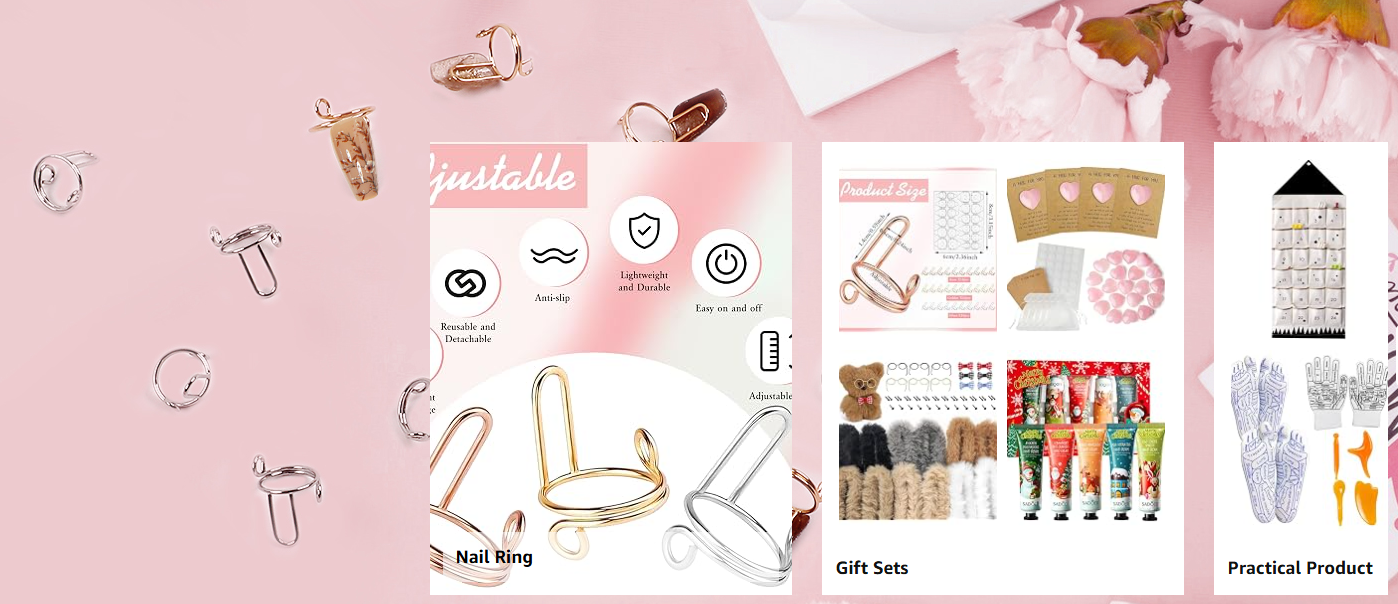
A wudu nail ring is usually a small accessory designed to sit around or over a fingernail. Unlike ordinary jewelry, it is marketed specifically for people who wear nail polish, nail art, or protective coatings and want to manage wudu without damaging their manicure. Some designs are open frames; others look more like tiny caps, guards, or decorative covers.
The term is not perfectly standardized. A seller may use “wudu nail rings” for a ring-shaped nail accessory, while another may call a similar product a “nail ring for wudu.” This makes careful product checking essential. The name alone does not guarantee that water can reach the nail.
Nail Rings for Wudu: More Than a Trend
Nail rings for wudu are often presented as a stylish solution for nail-care enthusiasts. They may be used to protect long nails, reduce snagging, cover chipped polish, or add a modest decorative touch. However, when a product is advertised as “wudu-friendly,” the most important question is not how it looks. It is whether it allows complete water contact with the nail surface and surrounding skin.
Wudu Nail Covers: What They Do
Wudu nail covers are typically removable caps, sleeves, or guards. They may be worn to protect nail art between prayers, during household tasks, or while applying products. Some people also ask whether a cover can be worn during wudu. In general, if the cover seals the nail from water, it should be removed before wudu, because wudu requires water to reach the nail. A cover that is merely decorative but blocks water is not a shortcut around the obligation.
That is why product descriptions should be read slowly. Look for clear language about water permeability, open design, removable parts, and intended use. If the listing is vague, ask the seller direct questions before relying on the item for worship.
Important: A product marketed as “wudu-friendly” is not automatically religiously valid. Always ensure water reaches the nail and consult a qualified scholar when you are unsure.
How to Check Before You Buy
Before purchasing wudu nail rings or wudu nail covers, use this checklist:
- Check the design. Does the accessory leave the nail exposed to water, or does it create a sealed surface?
- Test the fit. A loose ring may shift and trap water; a tight cover may be uncomfortable and difficult to clean.
- Ask about material. Waterproof metal, silicone, and plastic behave differently. Look for skin-friendly, easy-to-clean materials.
- Confirm removability. If the item must be removed for wudu, make sure it is easy and safe to take off several times a day.
- Read real reviews. Look for comments about water reaching the nail, comfort, durability, and hygiene.
- Seek scholarly advice. If you follow a specific school of thought, ask whether the product’s design meets its requirements.
Wudu, Nail Polish, and the Water Barrier
The central issue is simple: many nail polishes, gel coatings, and nail treatments form a barrier on the nail. If water cannot reach the nail, wudu may be affected. Some Muslims avoid long-lasting polish before prayer, while others remove polish before wudu or use water-permeable products. Wudu nail rings and covers should be evaluated in that same practical light. They are accessories, not a replacement for understanding the rules of purification.
If you wear nail art regularly, consider planning your manicure around your prayer schedule. Keep a small removal kit at home or in your bag, and choose products that are easy to remove when needed. This approach is often simpler and safer than relying on an accessory whose “wudu-friendly” claim is unclear.
Style, Comfort, and Care
Wudu nail rings can be subtle or decorative, depending on the design. For daily wear, choose smooth edges, lightweight materials, and a fit that does not press into the skin. Clean your rings or covers regularly with mild soap and water, dry them completely, and store them in a small case to prevent bending or contamination.
Remember that worship should not become a source of constant anxiety. The best accessory is one that supports your routine without distracting you from prayer. If a product feels complicated, uncomfortable, or religiously uncertain, it may not be worth the stress.
Final Thought
Wudu nail rings, nail rings for wudu, and wudu nail covers can be useful accessories for nail protection and personal style, but they should never replace careful knowledge of wudu. Check the design, test the fit, confirm water access, and consult a qualified scholar if needed. When in doubt, choose the clearer path: remove the barrier, let water reach the nail, and perform wudu with confidence.