Streamline Your Nursery: Smart Baby Bottle Organizer and Storage Solutions for Busy Parents
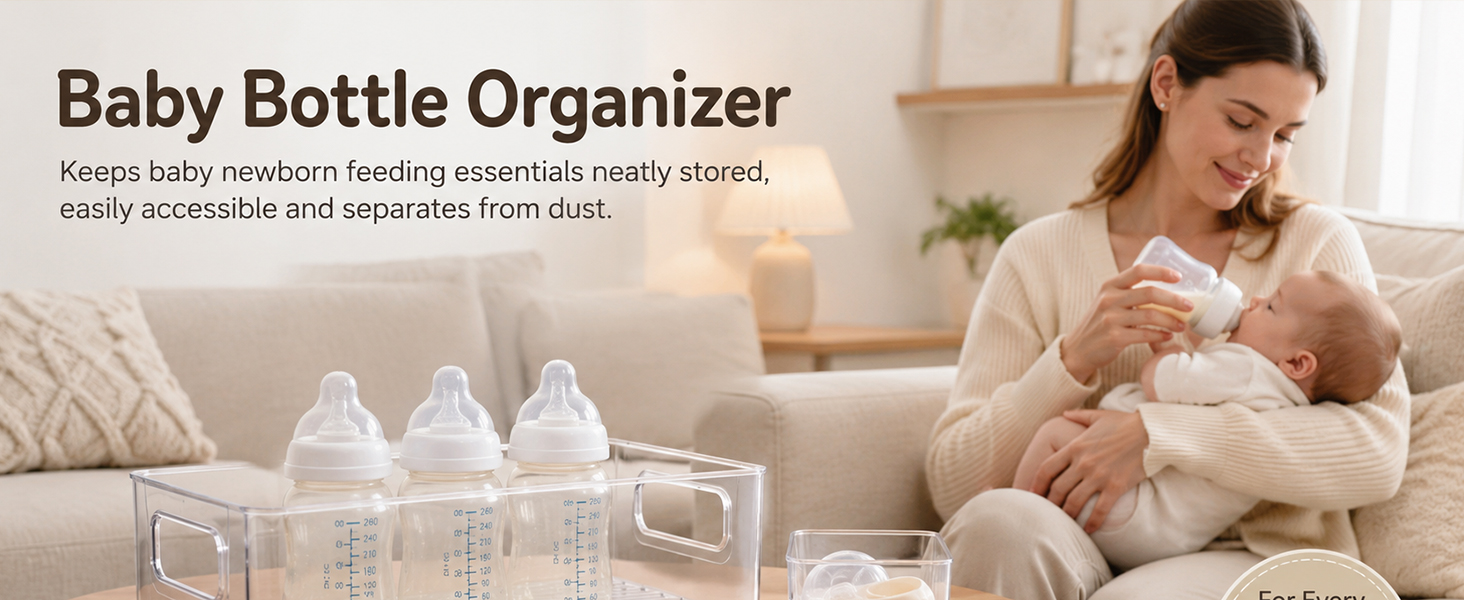
Feeding time is one of the most important parts of a baby’s day, but it can quickly become chaotic when bottles, nipples, caps, and cleaning tools are scattered across the kitchen or nursery. A reliable baby bottle organizer can turn that chaos into a calm, efficient routine. With the right baby bottle storage setup, you can protect your bottles, keep the nursery tidy, and make late-night feedings far less stressful. The best baby products are not always the flashiest ones; often, they are the simple tools that save a few precious seconds when you are tired and need everything within reach.
Why Baby Bottle Storage Deserves a Place in Your Daily Routine
Bottles are used multiple times a day, which means they are constantly moving between the sink, sterilizer, drying rack, fridge, and feeding area. Without a dedicated baby bottle organizer, it is easy to lose track of clean versus dirty bottles or to knock over a drying rack at the worst possible moment. Good baby bottle storage creates a clear system: clean bottles have a home, dirty bottles have a holding zone, and prepared feeds are easy to identify. This simple organization reduces visual clutter and helps caregivers share responsibilities more easily.
A calm feeding station is not a luxury. It is a practical parenting tool that supports safer, faster, and more hygienic bottle feeding.
Choose the Right Baby Bottle Organizer for Your Space
Before buying any organizer, measure your counter space, cabinet depth, and fridge shelf height. Consider how many bottles you use per day and whether you prefer countertop, drawer, cabinet, or wall-mounted storage. A compact drying rack organizer works well for small kitchens, while a tiered cabinet organizer can hold several bottles, pumping parts, and spare nipples. For parents who prepare bottles in advance, a fridge-specific baby bottle organizer keeps milk separated and easy to rotate.
- Countertop drying racks: ideal for daily washing and air-drying.
- Drawer dividers: perfect for nipples, caps, and small parts.
- Cabinet organizers: keep clean bottles hidden and dust-free.
- Fridge storage bins: help label and rotate prepared milk safely.
Quick Comparison: Organizer Styles at a Glance
| Organizer Type | Best For | Quick Tip |
|---|---|---|
| Drying rack | Daily washing | Place near the sink but away from splashes. |
| Drawer divider | Small parts | Use separate sections for clean and dirty items. |
| Fridge bin | Prepared bottles | Label with dates and use the oldest first. |
Baby Bottle Storage Strategies That Actually Last
A good baby bottle organizer is only helpful if the whole family follows the same system. Create a simple routine: wash bottles at a set time, dry them completely, and return them to the organizer before the next feed. Keep a small basket for parts that need to be sterilized and another for ready-to-use bottles. In the fridge, use clear bins or labels so grandparents, babysitters, and partners can find what they need without waking the baby or searching through shelves.
- Sort by stage: keep newborn-size bottles separate from larger ones.
- Use labels: date prepared bottles and mark pumping parts clearly.
- Limit duplicates: keep only the bottles and nipples you truly use.
- Reset daily: spend five minutes each evening returning items to their place.
Keep It Clean: Safety and Maintenance
Bottles and feeding accessories need regular cleaning, and your storage area deserves the same attention. Choose organizers that are easy to wipe down, dishwasher-safe where appropriate, and free from trapped moisture. Avoid overcrowding, because damp bottles stacked too closely can stay wet longer. Allow all parts to air-dry completely before placing them in closed cabinets. Check the organizer for cracks, rust, or buildup, especially if it sits near the sink or in a humid nursery.
Safety note: always follow the bottle manufacturer’s instructions for cleaning, sterilizing, and storage. Keep small parts such as nipples and caps out of reach of older children and pets.
On-the-Go and Small-Space Solutions
Not every family has a large kitchen or a dedicated nursery. If space is tight, look for vertical baby bottle storage options, stackable bins, or over-the-door organizers. For travel, a small insulated bag with a rigid bottle organizer can prevent leaks and keep feeds separate. These practical baby products make outings smoother and help you avoid digging through a diaper bag while your baby is hungry.
Build a Better Baby Products Station
Think of your bottle organizer as the center of a small feeding station. Place it near clean bottles, burp cloths, a sterilizer, and a small bin for used parts. If you prepare formula or pump milk, add labels, a marker, and a dedicated fridge bin nearby. The goal is not a perfectly styled nursery; it is a functional setup that works at 3 a.m. as well as it does at noon.
Final Thoughts
A thoughtful baby bottle organizer and a consistent baby bottle storage routine can bring order to one of the busiest parts of parenting. Start with one clear zone, choose organizers that fit your space, and keep the system simple enough for everyone to use. With a little planning, your bottles will stay cleaner, your counter will stay calmer, and feeding time will feel more manageable—one bottle at a time.