Beyond Pocket Change: The Enduring Appeal of Collectible, Challenge, and Sobriety Coins
Coins are often treated as ordinary currency—something to spend, save, or forget in a drawer. Yet certain coins carry far more than face value. They preserve history, mark identity, and celebrate deeply personal milestones. Collectible coins, challenge coins, and sobriety coins each occupy a distinct corner of the coin world, but together they reveal why small pieces of metal can hold enormous meaning.
Whether you are a seasoned numismatist, a military enthusiast, a recovery ally, or simply someone drawn to objects with stories, these coins offer a powerful reminder: value is not always measured in dollars and cents.
Collectible Coins: History in Your Palm
Collectible coins—often called numismatic coins—are prized for rarity, condition, design, and historical significance. A single coin can open a window onto an empire, a forgotten mint, or a turning point in trade. Collectors learn to read dates, mint marks, metal content, and subtle variations that most people never notice.
The appeal is part treasure hunt, part scholarship. Some collectors pursue complete date-and-mint-mark sets. Others focus on error coins, ancient currency, commemorative issues, or themes such as animals, ships, or world leaders. Condition matters enormously: a coin that circulated for decades tells a different story than one preserved in mint state.
“Every worn edge and toned surface is a record of hands, places, and time.”
For beginners, the best approach is curiosity over speculation. Buy coins you genuinely enjoy, learn from reputable dealers, and store pieces carefully. Collectible coins reward patience—and they turn pocket change into a lifelong education.
Challenge Coins: A Quiet Language of Belonging
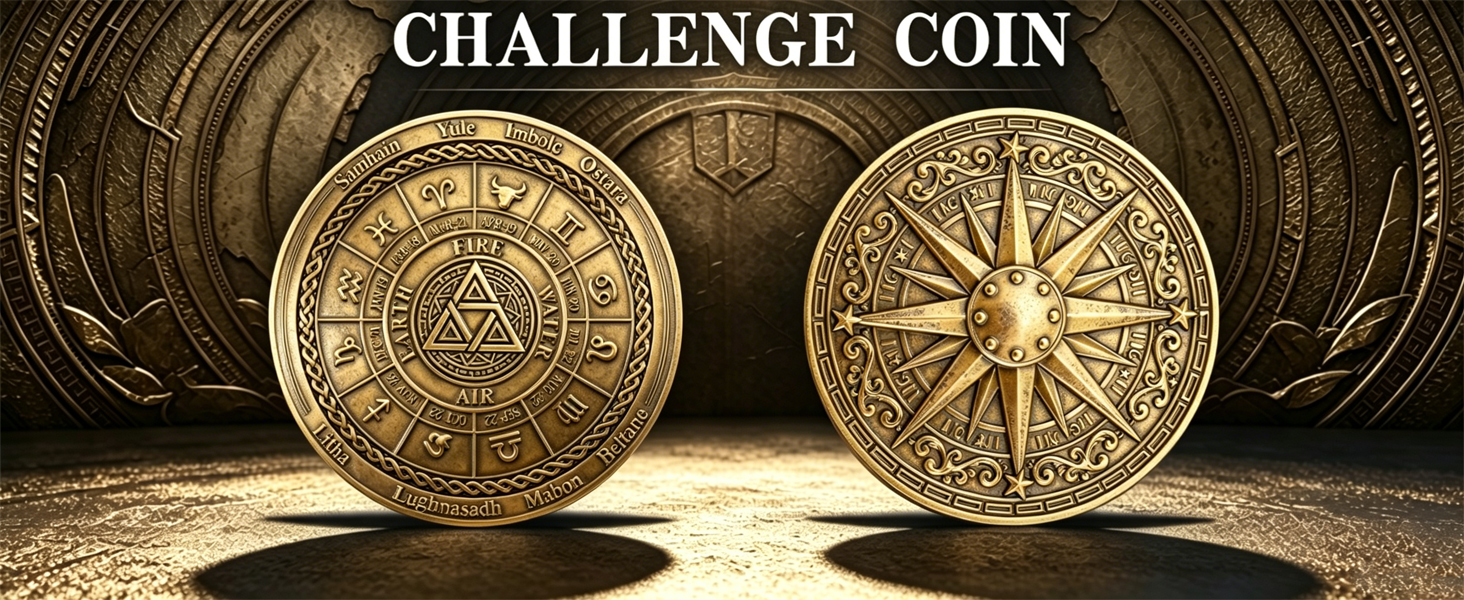
Challenge coins carry a different kind of weight. Often associated with military units, first responders, and tight-knit organizations, these coins are less about market value and more about membership. A challenge coin says, “You are one of us.”
The tradition is often traced to military service members who carried unit medallions as proof of affiliation. Over time, the custom expanded into a richly creative culture. Units design coins with crests, mottos, aircraft, ships, maps, or symbols that only insiders fully understand. Police departments, fire crews, aviation squadrons, conferences, and even film crews have adopted the practice.
- Presentation: Coins are often gifted to honor service, courage, or a job well done.
- Challenge: In some traditions, a person who cannot produce their coin when challenged may be expected to buy a round of drinks.
- Collection: Enthusiasts trade, display, and hunt for rare unit coins with distinctive designs.
Challenge coins are tactile symbols of trust. They are small enough to carry in a pocket and meaningful enough to spark conversation decades later.
Sobriety Coins: Small Tokens, Monumental Milestones
Sobriety coins—sometimes called recovery medallions or AA coins—mark time, commitment, and personal courage. Often given to celebrate days, months, or years of sobriety, these coins are not awards for perfection. They are reminders of progress, chosen one day at a time.
Many sobriety coins feature simple designs: a triangle, a circle, a serenity prayer, or a milestone number. The simplicity is the point. In moments of temptation or doubt, a coin can serve as a grounding object—a physical reminder of why the journey matters. Sponsors, recovery groups, family members, and friends often present these coins at meetings or private ceremonies.
For people outside recovery, a sobriety coin may look like a small keepsake. For the person carrying it, it can represent a rebuilt life, repaired relationships, and a promise kept. That emotional weight is impossible to price.
Where the Three Worlds Overlap
Collectible coins, challenge coins, and sobriety coins differ in purpose, but they share common ground. All three rely on craftsmanship and symbolism. All three become more valuable through story. And all three are often passed from hand to hand as gifts, honors, or inheritances.
A collector might admire the engraving on a challenge coin. A veteran might treasure a sobriety coin given by a friend. A recovery group might commission custom coins that borrow design elements from military medallions. These overlaps show that coin collecting is not only about rarity—it is also about memory, identity, and connection.
How to Start or Deepen a Collection
You do not need a large budget to begin. Start with a theme that genuinely interests you, then build slowly and thoughtfully.
- Choose a focus: historical eras, challenge coin units, recovery milestones, or a specific country.
- Protect your pieces: use acid-free holders, avoid harsh cleaning, and keep coins away from moisture.
- Record the story: note where each coin came from, who gave it, and why it matters.
- Connect with others: join collector groups, attend coin shows, and trade respectfully.
Above all, remember that the best collections are personal. A coin’s true worth is often found in the memory it triggers—not the price tag attached to it.
Collectible coins preserve history. Challenge coins build belonging. Sobriety coins honor resilience. Together, they prove that even the smallest objects can carry the biggest stories.